Стоимость линии порошковой покраски: что реально входит в системы за $50K, $500K и $2M
Разбор стоимости линий порошковой покраски по производственным классам. Малая ручная, средняя автоматическая и высокопроизводительная для архитектурного алюминия. CapEx, OpEx и где покупать.
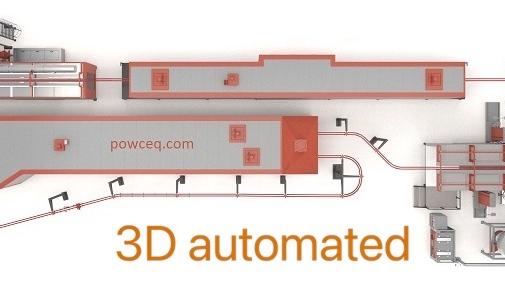
«Сколько стоит линия порошковой окраски?»: первый вопрос, который задаёт каждый менеджер по закупкам, и честный ответ: это диапазон, охватывающий два порядка величины: от примерно $50,000 за небольшую ручную установку для штучной обработки до $2 млн и более за высокопроизводительную автоматизированную линию для архитектурного алюминия. То, где внутри этого диапазона окажется ваш проект, зависит от четырёх решений: целевая производительность, уровень автоматизации, химия подготовки поверхности и географическое расположение монтажа.
В этом руководстве разбирается, что входит в каждый уровень. Мы используем ту же ценовую модель, что применяем, когда прорабатываем линии порошковой окраски для заказчиков в Швейцарии, Германии, США и ОАЭ: где капитальные бюджеты и местные затраты на труд различаются достаточно, чтобы одна и та же целевая производительность была оценена с разбросом в 30-50% между регионами.
Три уровня: что на самом деле входит в каждый
Мы делим линии порошковой окраски на три уровня по производительности и автоматизации. У каждого уровня есть обоснованный ценовой минимум, ниже которого покупать не стоит, потому что оборудование, которое стоит дешевле, либо недостаточно рассчитано на промышленную нагрузку, либо лишено критически важных компонентов, которые позже придётся дооснащать.
Уровень 1: Небольшая ручная / штучная ($50K-$150K)
Небольшая линия обслуживает цеха-исполнители, собственное производство ≤500 m²/день и опытно-конструкторские участки. Что в неё входит:
- Одна ручная камера порошковой покраски с картриджной фильтрацией для рекуперации: обычно 2 m × 2 m × 2.4 m внутри
- Одна электрическая печь полимеризации для штучной обработки: печь полимеризации: 1.5-3 m³ внутри, ~30-40 kW нагрева
- Базовая ручная подготовка поверхности: либо 3-ваннный участок погружения, либо станция распыления вручную; редко более 5 стадий
- Один или два электростатических пистолета порошковой покраски с отдельными контроллерами
- Ручной подвесной конвейер или напольные тележки: без приводного транспорта
- Управление одним оператором: без PLC, без управления рецептами, без регистрации производственных данных
Что в неё НЕ входит: автоматическая смена цвета, замкнутый цикл DI-ополаскивания, дозирование химии подготовки поверхности уровня соответствия требованиям, сбор производственных данных или любая из систем качества, о которых спросит аудитор OEM. Линия Уровня 1: это возможность нанесения отделки, а не производственная система.
Уровень 2: Среднего класса, автоматизированная ($400K-$1.2M)
Линия среднего класса обслуживает собственное производство 500-3 000 m²/день, мелких и средних поставщиков OEM и многопродуктовые цеха-исполнители, которым нужно управление рецептами. Что в неё входит:
- Автоматизированный встроенный приводной монорельсовый конвейер, обычно 30-80 m общей длины
- 6-8-стадийная подготовка поверхности распылением с автоматическим дозированием химии, нагреваемое щелочное обезжиривание и стадии цирконатной конверсии, DI-ополаскивание
- Автоматическая камера порошковой покраски с возможностью быстрой смены цвета (рекуперация или картриджная фильтрация), 2-4 автоматических пистолета плюс 1-2 ручных позиции подкраски
- Газовая или электрическая печь полимеризации внутренним объёмом 12-25 m³, с зонным регулированием температуры и защитой от перепёка
- Управление на базе PLC с HMI, хранение рецептов по семействам деталей, счётчик производства и журнал аварий
- Встроенная печь дегидратации/сушки после подготовки поверхности (критично при скоростях линии выше 2 m/min)
Именно на этом уровне производители линий порошковой окраски, которые реально могут поставить систему «под ключ», отделяются от дилеров оборудования, которые отгружают ящики и оставляют интеграцию вам. Работа по интеграции: программа PLC, синхронизация конвейера, согласование химии с линией: это и есть основная инженерная ценность.
Уровень 3: Высокопроизводительная / архитектурная ($1.5M-$5M+)
Линия Уровня 3 обслуживает производство архитектурного алюминия (Qualicoat Class 2 / AAMA 2605), субподрядное автомобильное покрытие, крупносерийную сельхозтехнику или общепромышленное производство ≥3 000 m²/день. Что в неё входит:
- Непрерывная конвейерная линия 60-200 m общей длины, скорость линии 2.5-5 m/min
- 8-стадийная подготовка поверхности с замкнутым контуром рекуперации DI-воды, автоматическим анализом и дозированием химии, термостабилизированными ваннами, резервными стадиями ополаскивания
- Многозонная печь полимеризации внутренним объёмом 30-80 m³, модулируемые горелки или электрический нагрев с рекуперацией тепла, регулируемое окно полимеризации для низкотемпературных / высокоглянцевых порошков
- Двухкамерное автоматическое нанесение порошка с быстрой сменой цвета (2-5 минут), 6-12 автоматических пистолетов на камеру, роботизированное распознавание профиля
- Управление производством уровня SCADA, отслеживание генеалогии партий, экспорт документации соответствия
- Экологическое соответствие: мониторинг выбросов, рекуперация тепла, доочистка DI, обработка отработанной химии
Типичная стоимость линии по уровням (поставка в ЕС, США, ОАЭ)
Цены ниже указаны FOB производителя, без учёта фрахта, пошлин, подготовки площадки и модернизации инженерных сетей. Монтаж и пусконаладка добавляют 8-15% сверху. Это диапазоны, оцениваемые PowCEQ для проектов 2026 года, а не отраслевые средние: отдельные конфигурации различаются.
Уровень 1, ручная / штучная: $50K-$150K оборудование · $5K-$15K пусконаладка · монтаж 1-3 недели
Уровень 2, среднего класса автоматизированная: $400K-$1.2M оборудование · $50K-$150K пусконаладка · монтаж 6-14 недель
Уровень 3, высокопроизводительная: $1.5M-$5M+ оборудование · $200K-$500K пусконаладка · монтаж 12-24 недели
Региональный разброс реален. Линия Уровня 2, оценённая в $650K для поставки в швейцарский индустриальный парк, обычно будет стоить $580K при поставке в Дубай и $720K при поставке в США: разница в фрахте, местном труде по интеграции и пошлинах. Затраты на подключение к инженерным сетям различаются ещё сильнее: в Германии модернизация электроснабжения на 400 kW стоит около 30K €; в странах GCC та же модернизация может потребовать генератора и обходится в 60K-100K €.
Операционные затраты: показатель, который важнее CapEx
CapEx: разовое решение. OpEx: то, что вы платите всегда. На горизонте 5 лет OpEx обычно составляет 3-5 капитальных стоимостей оборудования для линий среднего уровня и 2-3 для высокопроизводительных линий (где загрузка амортизирует постоянные затраты). Крупные статьи OpEx:
- Энергия: 35-55% OpEx. Линия Уровня 2 потребляет 250-400 kW в пике / 120-200 kW в среднем. При 0,18 €/kWh (промышленный тариф ЕС) это 190K-320K €/год. В ОАЭ при $0.08/kWh та же линия обходится в эксплуатации в $95K-$160K/год. Смотрите наше руководство по газовым и электрическим печам полимеризации для расчётов в привязке к источнику тепла.
- Расходные материалы: порошок + химия: 25-40% OpEx. Эффективность использования порошка (перенос с первого прохода и рекуперация): главный рычаг здесь. Хорошо настроенная автоматическая камера достигает 85-90% использования; плохо настроенная камера достигает 60-70%. Этот разрыв в 20 пунктов обходится в 50K-200K €/год при средних объёмах производительности.
- Обслуживание + труд: 20-30% OpEx. Анализ химии подготовки поверхности, замена фильтров камеры, смазка конвейера, осмотр горелок. Хороший договор на обслуживание: 15K-40K €/год для линии Уровня 2.
- Утилизация отходов: 5-15% OpEx. Отработанные химические растворы, смолы DI-доочистки, бракованные детали. В ЕС это серьёзный фактор затрат из-за правил обращения с опасными отходами; на других рынках он незначителен.
Новое против бывшего в употреблении: когда вторичное оборудование имеет смысл
Существует реальный рынок бывших в употреблении линий порошковой окраски: заводы закрываются, производство переносится, мощности реконфигурируются. Со скидкой 40-60% к новому бывшее в употреблении оборудование может быть привлекательным. Но есть три оговорки:
- Ванны химии подготовки поверхности плохо переносят перемещение. Нагреваемые ванны, годами содержащие щелочную и кислотную химию, развивают коррозию, накипь и геометрическое коробление, которые не видны при двухчасовом осмотре. Закладывайте полную замену ванн на любой линии старше 15 лет.
- Программы PLC редко документируются чисто. Программное обеспечение изготовителя линии, релейная логика и таблицы рецептов обычно проприетарны или утеряны. Вы потратите 2-8 недель труда по интеграции, чтобы вывести бывшую в употреблении линию на проектные характеристики: зачастую больше, чем экономия CapEx.
- Документация о соответствии может не передаться. Установка, сертифицированная по Qualicoat, сертифицирована для той конфигурации, химии и оператора, с которыми она была утверждена. Перемещение оборудования означает повторный аудит. Покупателям, ориентированным на соответствие Qualicoat Class 2 или AAMA 2605, обычно лучше выбрать новое.
Оптимальный вариант для бывшего в употреблении: оборудование Уровня 1 моложе 10 лет от известного производителя, у покупателя с собственной инженерией по системам управления. Мы иногда размещаем бывшие в употреблении линии на нашей странице предложений: как правило, это оборудование единого происхождения, которое мы хорошо знаем, потому что изначально вводили его в эксплуатацию.
Где покупать: типы производителей и о чём спрашивать
Глобальный ландшафт производителей линий порошковой окраски делится на четыре типа поставщиков, у каждого своя структура затрат:
1. Полносервисные интеграторы линий
Строят полные линии «под ключ», разрабатывают химию подготовки поверхности, вводят в эксплуатацию программы PLC и отвечают за пусконаладку до тех пор, пока не пройдут кривые полимеризации и тесты Qualicoat. PowCEQ работает на этом уровне. Цена выше на старте; общая стоимость владения ниже, потому что риск интеграции заложен в цену, а не переложен на вас.
2. Производители только оборудования
Изготавливают и отгружают отдельные единицы: печи, камеры, туннели подготовки поверхности, но не интегрируют систему целиком. Сюда относятся прикладное оборудование Nordson, пистолеты Wagner и различные производители печей. Вам нужна собственная инженерная команда или отдельный интегратор, чтобы всё это связать воедино.
3. Региональные сборщики
Закупают компоненты у OEM, собирают под спецификацию заказчика, монтируют на месте. Конкурентоспособны по цене для систем Уровня 1 и меньших систем Уровня 2. Качество колеблется очень сильно: убедитесь, что они смонтировали сопоставимую систему за последние 12 месяцев, и попросите позвонить рекомендателю.
4. Импортные брокеры
Поставляют китайское или юго-восточноазиатское оборудование на ваш рынок, часто за 40-70% западных цен. На этом уровне есть и добросовестные поставщики, но большинство недотягивают по документации, пусконаладке и послепродажной поддержке. Если вы рассматриваете этот путь, заключите договор с независимым пусконаладочным инженером для надзора за монтажом: это лучшие 20K-50K €, которые вы потратите на проект.
Три вопроса, которые стоит задать любому поставщику перед подписанием
Если вы не запомните из этой статьи ничего другого, то эти три вопроса отделяют поставщиков, которым действительно нужен ваш долгосрочный бизнес, от тех, кому нужен ваш аванс:
- Какова полная стоимость поставки, включая пусконаладку, обучение и первые 12 месяцев обслуживания? Любой поставщик, который отвечает только ценой на оборудование, перекладывает риск интеграции на вас.
- Можем ли мы позвонить трём заказчикам, купившим сопоставимую систему за последние два года? Если поставщик колеблется, идите дальше.
- Какова гарантия и время реакции сервиса при простое в понедельник утром в нашем регионе? Реакция местного инженера в течение 48 часов стоит реальных денег; обещания «удалённой поддержки», когда линия стоит, ничего не стоят.
Дальнейшие шаги
Если вы прорабатываете новую линию порошковой окраски и хотите получить расчёт конфигурации, основанный на реальной производственной математике: производительность, площадь, инженерные сети, спецификация Qualicoat / AAMA / ASTM, самый быстрый путь: пришлите нам ваши производственные цели, и мы вернёмся с рекомендацией по уровню и моделью CapEx/OpEx в течение одного рабочего дня. Мы готовим предложения из наших офисов в Швейцарии (DACH), Флориде (США) и ОАЭ (GCC).
Для более глубокого технического чтения наша инженерная команда опубликовала руководства по газовым и электрическим печам полимеризации, расчёту подготовки поверхности и AAMA 2605 против Qualicoat по выбору спецификаций.
Нужна экспертная поддержка?
Наша инженерная команда поставила оборудование для порошковой покраски в более чем 40 стран. Расскажите о вашей задаче.