Industriële moffeloven dimensioneren: een gids voor productie-ingenieurs
Hoe u een commerciële of industriële poedercoatoven dimensioneert voor productiecapaciteit: inwendig volume, thermische massa, uithardingstijd, verwarmingsvermogen en luchtstroming. Een werkbare referentie voor fabrieksingenieurs.
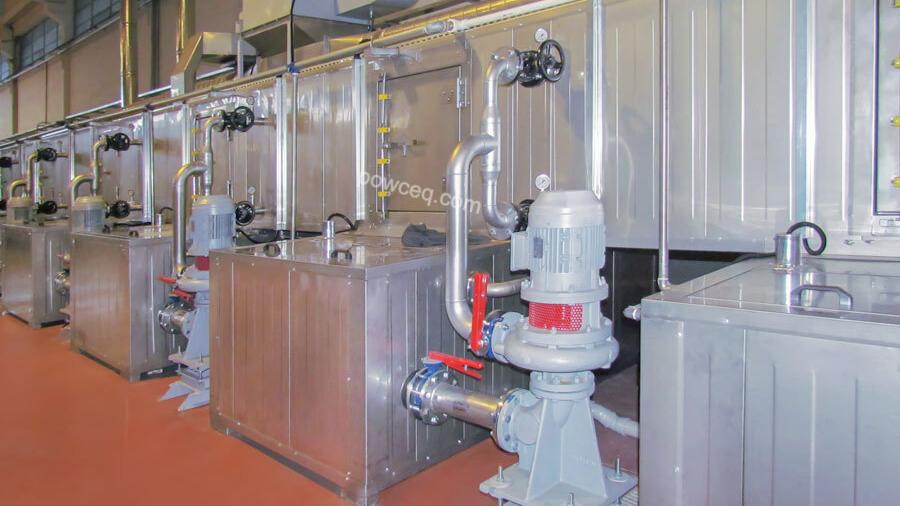
Het specificeren van een industriële poedercoatoven voor productie is een opeenvolging van vier beslissingen, waarbij elke beslissing de volgende beperkt: het interne volume, de warmtebron, het luchtstroompatroon, en het uithardingstijdvenster. Kies de eerste verkeerd en geen enkele branderafstelling kan dat nog goedmaken. Deze gids is de werkreferentie die we gebruiken bij het afbakenen van commerciële en industriële ovens voor klanten: van batchovens voor loonbedrijven tot transportbandtunnels op geautomatiseerde lijnen.
Vooraf: dit gaat specifiek over industriële ovens van productiekwaliteit. Zelfbouwovens voor hobbymatig opknappen zijn een geheel andere categorie: niet ontworpen voor inschakelduur, naleving van regelgeving of procesreproduceerbaarheid, en hier buiten beschouwing gelaten. Als u onderdelen coat om te verkopen, hebt u industriële apparatuur nodig.
Stap 1: Dimensioneer het interne volume op uw onderdeelenvelop
Elke ovenspecificatie begint met één fysieke vraag: wat is de grootste onderdeelenvelop die u moet uitharden, plus ruimte voor het ophangen, transportbandhaken en luchtstroom? De volumedimensionering vloeit daaruit voort.
De werkformule voor een batchoven is:
Intern volume = Onderdeelenvelop × 1,4 (luchtstroom + ruimte) + Transportband-/rekvolume
Een onderdeelenvelop van 2 m × 1 m × 1 m (2 m³) vereist een oven met een intern volume van minimaal ongeveer 3,0 tot 3,5 m³: 2 m³ onderdelen plus 1,0 m³ voor luchtstroom, rek en thermische recirculatie. Maak deze te klein en u krijgt koude plekken bij de wanden; maak hem te groot en u verbrandt energie aan het verwarmen van lege ruimte.
Voor een transportbandoven is de rekensom anders:
Ovenlengte = (Lijnsnelheid × Uithardingstijd) + Overgangsmarge (1,5 tot 2 m)
Een lijn die op 2 m/min draait met een uithardingstijd van 20 minuten vereist een oveninterieur van 41,5 meter lang (40 m uitharden plus 1,5 m in-/uitgang). Verkort de uithardingstijd tot 10 minuten en de oven krimpt tot 21,5 m. Dit is de reden waarom laag-uithardende poederchemieën economisch ingrijpend kunnen zijn: elke minuut uithardingstijd die wordt weggenomen, verkort de oven met twee meter bij typische lijnsnelheden.
Stap 2: Warmtebron: elektrisch, gas of hybride
De keuze van de warmtebron vloeit voort uit het ovenvolume, de energiekosten en de regelgevende omgeving. Onze gids over gas versus elektrische moffelovens behandelt de volledige rekensom van de bedrijfskosten. Samengevat:
Elektrische ovens
Winnen onder een intern volume van circa 20 m³. Schonere installatie: geen verbrandingslucht, geen rookgasafvoer, geen gasstraat. Geen verbrandingsbijproducten die de onderdelen raken (relevant voor sommige poeders voor voedselcontact en medische apparatuur). De investeringskosten zijn lager bij kleine formaten, hoger bij grote formaten. De piekverwarmingslast voor een middelgrote elektrische oven ligt op 30 tot 80 kW; een grote productieoven draait op 100 tot 250 kW.
Gasgestookte ovens
Winnen boven een intern volume van circa 20 m³, en winnen overtuigend boven 40 m³. Lagere bedrijfskosten per m³ in de meeste markten (behalve waar elektriciteit ongewoon goedkoop of gas ongewoon duur is). Snellere opwarming bij modulerende branderontwerpen. Vereisen een gastoevoer op locatie, rookgasafvoer en naleving van verbrandingsvoorschriften.
Hybride met infrarood-booster plus convectie
Voor lijnen met hoge doorvoer (3 m/min of meer) of onderdelen met lage massa waar uitharden met alleen convectie traag verloopt, brengt een infrarood-voorverwarmingszone aan de oveningang het poeder binnen seconden op geltemperatuur, waarna convectie de uitharding afmaakt. Voegt 10 tot 20% toe aan de investeringskosten van de oven; verkort de uithardingstijd met 30 tot 50%. Het juiste antwoord voor architectonische aluminium profielen en dunne plaat.
Stap 3: Luchtstroompatroon
De lucht verwarmen is alleen nuttig als de lucht het onderdeel bereikt. Het ontwerp van de luchtstroom bepaalt of een correct gespecificeerde warmtebron zich vertaalt in correct uitgeharde onderdelen.
Drie luchtstroompatronen domineren commerciële ovens:
Horizontale recirculatie
Lucht wordt horizontaal over het onderdeel geblazen vanuit toevoerkanalen hoog op één wand en keert aan de andere kant terug. Werkt goed voor uniforme onderdelen, eenvoudige geometrieën en transportbandsystemen waar onderdelen consistent worden gepresenteerd. Standaardconfiguratie voor ovens voor architectonische aluminium profielen.
Verticaal van boven naar beneden
Lucht wordt toegevoerd vanuit plenums in het dak en op vloerniveau afgezogen. Het beste voor onderdelen met een aanzienlijke verticale afmeting: hoge rekken, hangende samenstellingen en constructiestaal. Moeilijker af te stellen, maar levert een zeer uniforme uitharding op complexe verticale stapels.
Gemengd / zonespecifiek
Multizone-ovens gebruiken verschillende luchtstroompatronen in verschillende zones: horizontale recirculatie in de uithardingszone, verticaal in de opwarmzone, turbulente menging bij de ingang. Voegt complexiteit en CapEx toe; alleen gebruikt op Tier 3-lijnen waar uitharden met één patroon niet aan de specificatie kan voldoen.
Voor de meeste productieovens onder 30 m³ is horizontale recirculatie bij een luchtsnelheid van 0,8 tot 1,5 m/s de juiste standaard. Hogere snelheden verbruiken meer ventilatorvermogen zonder noemenswaardig uithardingsvoordeel; lagere snelheden laten koude plekken in hoeken achter.
Stap 4: Uithardingstijdvenster
Poederfabrikanten publiceren uithardingsschema's als drietallen van onderdeeltemperatuur, tijd en temperatuur: "20 minuten bij 200 °C PMT" betekent 20 minuten bij een onderdeelmetaaltemperatuur van 200°C, niet 20 minuten in de oven bij een instelpunt van 200°C. Het onderscheid is belangrijk omdat zware onderdelen 10 tot 15 minuten nodig hebben om op temperatuur te komen, waardoor een ovencyclus van 20 minuten bij een instelpunt van 200°C mogelijk slechts 5 minuten uitharding bij PMT oplevert.
De productie-uithardingscyclus heeft daarom drie fasen:
- Opwarmen: het onderdeel komt de oven binnen op omgevingstemperatuur en klimt naar de uithardingstemperatuur. De duur hangt af van de thermische massa van het onderdeel en de luchtstroom in de oven. Typisch 5 tot 15 minuten.
- Uithardingsverblijf: het onderdeel op een PMT ≥ de voorgeschreven temperatuur, gedurende de voorgeschreven duur. Typisch 10 tot 20 minuten.
- Afkoelen of afkoelfase: voor toepassingen met lage vervorming verlengt een gecontroleerde afkoeling de cyclustijd met 5 tot 15 minuten, maar voorkomt kromtrekken bij dun aluminium.
Op een transportbandlijn reserveert de ovenlengte tijd voor de volledige cyclus. Op een batchoven houdt de operator de deur gesloten gedurende de volledige cyclus plus een veiligheidsmarge. Hoe dan ook moet de oven worden gedimensioneerd op het onderdeel dat het traagst opwarmt in productie, niet op het snelste.
Veelgemaakte dimensioneringsfouten
- Dimensioneren op de huidige productie in plaats van de productie over 3 jaar. Ovens zijn vastliggend kapitaal: u zult deze 15 jaar of langer gebruiken. Als de productie jaarlijks 20% groeit, dimensioneer dan op de voorziene doorvoer over 3 jaar, niet op dag één.
- De verwarming op gasovens te krap dimensioneren voor herstel bij koude start. De verwarmingslast in stationaire toestand bedraagt 40 tot 60% van de piek. Dimensioneer de brander op de piek, niet op de stationaire toestand, anders duurt uw koude start op maandagochtend 3 uur.
- Eenzone-ovens voor productie met meerdere poeders. Als u hoogglanspolyester en architectonisch TGIC-poeder door dezelfde oven haalt, draai dan ofwel twee aparte cycli ofwel installeer een tweezone-oven met onafhankelijke temperatuurinstelpunten. Het mengen van uithardingscurves verslechtert de afwerkingskwaliteit van beide.
- Warmteterugwinning overslaan op gasovens boven 40 m³. Recirculatie van uitlaatlucht of lucht-luchtwarmtewisselaars verlagen de bedrijfskosten met 15 tot 30%. De terugverdientijd is 18 tot 36 maanden bij Europese gasprijzen, 30 tot 60 maanden in de GCC.
Volgende stappen
Als u een industriële of commerciële poedercoatoven specificeert en een dimensionering wilt die geworteld is in echte productierekensommen (doorvoerdoelen, onderdeelenvelop, uithardingsschema en lokale energiekosten), is de snelste weg om ons uw productiegegevens te sturen en dan komen we binnen één werkdag terug met een ovenconfiguratie en een CapEx/OpEx-model.
PowCEQ levert ovenapparatuur als onderdeel van complete geautomatiseerde poedercoatlijnen en als losse batch of continue uithardingssystemen. Voor verdiepende technische lectuur, zie onze gidsen over gas versus elektrische economie en dimensionering van de voorbehandeling.
Gerelateerde artikelen
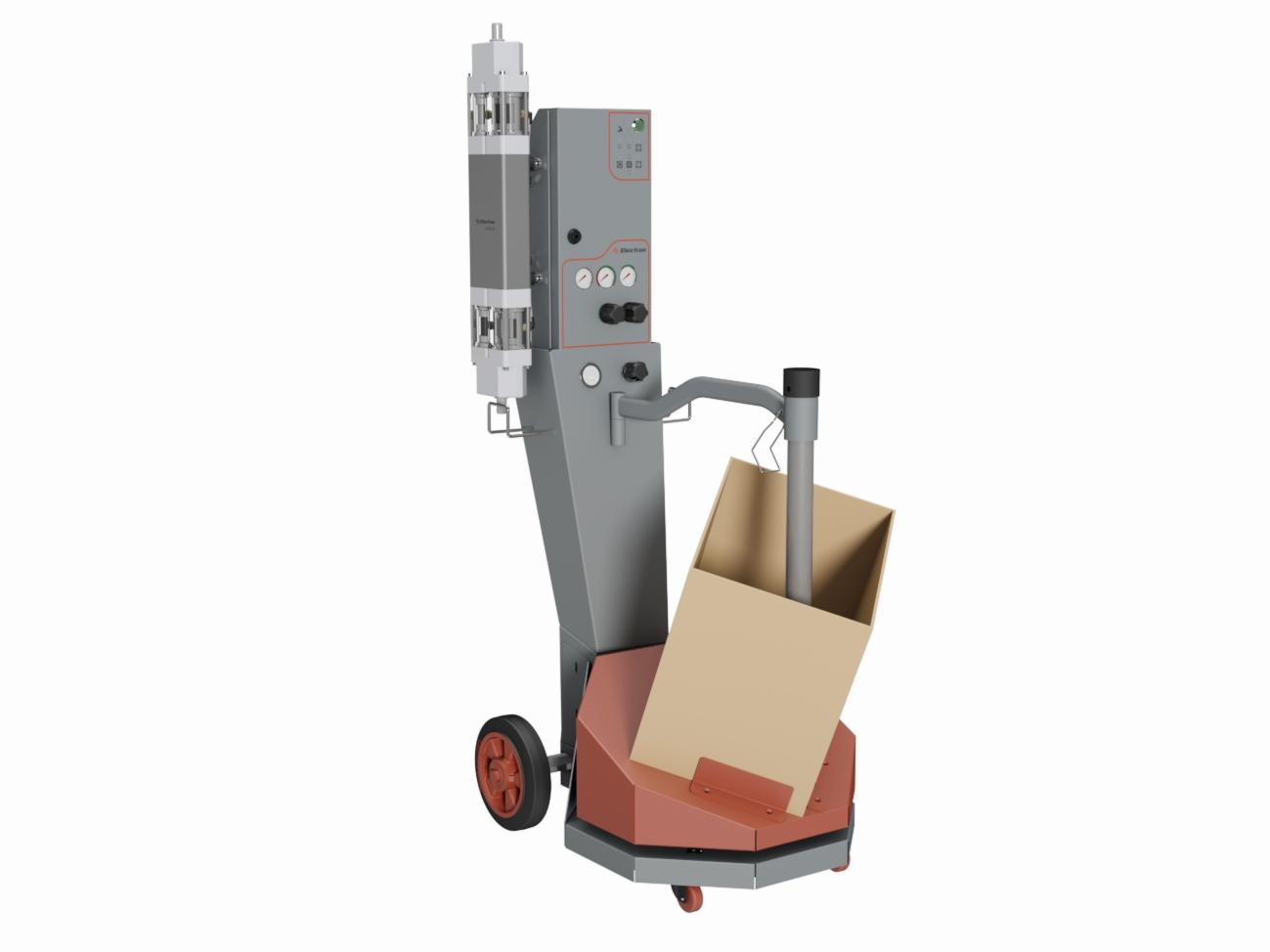
Corona versus Tribo: zo kiest u een elektrostatisch poederspuitpistool
De twee fundamentele technologieën in poederspuitpistolen: corona (hoogspanningsionisatie) en tribo (wrijvingslading). Wanneer elke wint, waar elke faalt en hoe productiebedrijven tussen beide kiezen.
MDF poedercoaten bij lage temperatuur: processpecificatie voor meubelmakers
Laagsmeltende poederchemie, voorverwarmingsstrategie, hantering van diëlektrische ondergronden en lijnconfiguratie voor het poedercoaten van MDF en houtcomposiet. De volledige processpecificatie voor meubel- en kastfabrikanten.
Gas versus elektrische moffelovens: de echte bedrijfskosten op schaal
Investeringskosten, hersteltijd, kosten per cyclus en omslagpunten voor gasgestookte en elektrische poedercoatovens. De berekening achter de juiste warmtebron voor uw productievolume.
Expertise nodig voor uw project?
Ons engineeringteam heeft poedercoatsystemen geleverd in meer dan 40 landen. Vertel ons over uw toepassing.