Низкотемпературная порошковая покраска МДФ: спецификация процесса для мебельщиков
Химия низкотемпературного порошка, стратегия предварительного нагрева, работа с диэлектрической основой и конфигурация линии для порошковой покраски МДФ и инженерной древесины. Полная спецификация процесса для производителей мебели и корпусов.
Порошковая окраска МДФ звучит как противоречие. Традиционно порошковая окраска проходит полимеризацию при 180-200 °C, что выше точки термической деструкции большинства подложек на основе древесины. МДФ, в частности, начинает выделять связанную влагу и расслаиваться при температуре выше 140 °C, а его смоляные связующие разрушаются около 160 °C. Поместите окрашенную панель из МДФ в стандартную печь полимеризации, и вы получите коробление, вздутие и отслоение покрытия.
И тем не менее порошковая окраска МДФ сегодня является реальной, коммерчески зрелой технологией: ежегодно выпускаются десятки миллионов квадратных метров фасадов кухонных шкафов, панелей офисной мебели, накладок дверей для ванных комнат и торговых стеллажей. Разрыв между прежним ограничением и текущей реальностью закрывают три конкретные технологии: низкотемпературная химия порошка, нанесение на диэлектрическую подложку и полимеризация с инфракрасным предварительным нагревом. В этом руководстве рассматриваются все три технологии и конфигурация линии, которая их объединяет.
PowCEQ поставляет полные линии порошковой окраски МДФ производителям мебели в ЕС, Турции и странах GCC. Всё, что описано в этом руководстве, отражает то, как мы реально прорабатываем и реализуем такие проекты.
Почему МДФ меняет всё
Порошковая окраска металла опирается на три допущения, которые перестают работать на МДФ:
- Подложка выдерживает 180-200 °C в течение 10 минут. МДФ не выдерживает: любая температура выше 140 °C дольше 4-5 минут вызывает повреждения.
- Подложка электропроводна. У МДФ поверхностное удельное сопротивление находится в диапазоне 10⁹-10¹² Ω: достаточно высоком, чтобы электростатический заряд стекал медленно, если вообще стекает, что нарушает обычную физику коронного пистолета.
- Подложка сохраняет размерную стабильность при нагреве. МДФ расширяется, выделяет влагу и может коробиться при неравномерном нагреве. Профиль нагрева нужно планировать, а не просто применять.
Каждый элемент линии порошковой окраски МДФ существует для того, чтобы обойти одну из этих трёх проблем.
Низкотемпературная химия: основа
Стандартные порошковые составы (эпокси-полиэфир, полиэфир-TGIC, полиуретан) требуют 10 минут при 180-200 °C для правильной сшивки. Низкотемпературные варианты переформулируют химию полимеризации с более реакционноспособными сшивающими агентами и модифицированными смоляными основами, которые активируются при значительно более низких температурах.
Современные коммерческие низкотемпературные порошки полимеризуются в следующем диапазоне:
- Полиэфирный низкотемпературный: 130-140 °C в течение 8-10 минут. Рабочая лошадка для стандартных покрытий мебели из МДФ.
- Гибридный эпокси-полиэфирный низкотемпературный: 120-130 °C в течение 6-8 минут. Лучшее покрытие кромок, немного сниженная стойкость к УФ.
- УФ-отверждаемый порошок: термическая полимеризация отсутствует полностью. Порошок расплавляется коротким ИК-импульсом (30-60 секунд при 130 °C), затем сшивается ультрафиолетовым светом менее чем за 10 секунд. Наивысшая производительность, наивысшие капитальные затраты.
Полиэфирный низкотемпературный при 130 °C: это то, что мы рекомендуем для большинства новых линий. Он даёт самый широкий выбор поставщиков порошка, отвечает требованиям к мебельной долговечности (QUV-B 500h, стойкость к кипящей воде, истирание по Таберу) и проходит через стандартные конвейерные печи без специализированного оборудования. УФ-отверждение становится интересным при производительности выше 1 500 панелей/час, где экономия на времени цикла окупает дополнительные капитальные затраты на УФ.
Нанесение на диэлектрическую подложку
Вторая проблема: высокое поверхностное удельное сопротивление МДФ решается предварительной подготовкой подложки непосредственно перед нанесением порошка. Есть два подхода:
Предварительный нагрев до 65-80 °C
Самый распространённый подход. Инфракрасный или воздушный предварительный нагрев поднимает температуру поверхности панели до 65-80 °C непосредственно перед камерой порошковой покраски. Тёплый МДФ удерживает больше влаги на поверхности, что резко снижает поверхностное удельное сопротивление (на 3-4 порядка) и позволяет обычным коронным пистолетам сформировать полноценное электростатическое поле. Панель по сути «заставляют» вести себя как электропроводную подложку на те 20-30 секунд, которые требуются для нанесения порошка.
Поверхностное увлажнение
Альтернатива, иногда применяемая на очень сухих подложках. Туннель увлажнения повышает поверхностное содержание влаги в панели из МДФ непосредственно перед камерой, обеспечивая такое же снижение удельного сопротивления, как и термический предварительный нагрев, но без затрат энергии. Применяется реже, потому что её сложнее стабильно контролировать: увлажнение мы поставляем только по запросу заказчика.
В любом случае критический параметр в том, что панель входит в камеру с поверхностным удельным сопротивлением ниже примерно 10⁸ Ω. Выше этого значения эффективность переноса порошка падает ниже 60%, а покрытие кромок становится неравномерным.
Конфигурация камеры для диэлектрических подложек
Панели из МДФ, проходящие через стандартную автоматическую камеру порошковой покраски, рассчитанную на металл, требуют трёх изменений:
- Стратегия заземления: вместо заземления детали (невозможного на МДФ) камера заземляет оснастку/конвейер, несущий панель. Эффективность переноса на 10-15% ниже, чем на металле, но приемлема.
- Расположение и позиционирование пистолетов: панели из МДФ обычно плоские и тонкие (18-22 mm), поэтому блоки пистолетов размещают ближе к детали, чем при работе с металлом (150-200 mm против 250-350 mm на металле), чтобы компенсировать сниженную напряжённость поля.
- Обращение с рекуперированным порошком: доля свежего порошка должна быть выше (обычно 70%+ свежего против 50% свежего на металле), потому что рекуперированный порошок захватывает древесную пыль и быстрее теряет текучесть.
Предварительный нагрев и полимеризация: сердце линии
Полимеризация при порошковой окраске МДФ: это двухзонный процесс: ИК или воздушный предварительный нагрев, который расплавляет и разравнивает порошок, затем вторая зона, завершающая сшивку без перегрева подложки.
Зона 1: ИК-предварительный нагрев: поднимает слой порошка до 130 °C за 60-90 секунд. ИК-лампы нагревают порошок напрямую, тогда как подложка остаётся относительно холодной (около 80-90 °C). Это ключевой приём: порошок нагревается достаточно, чтобы расплавиться и разровняться, без того чтобы древесина нагрелась до повреждения.
Зона 2: полимеризация горячим воздухом: удерживает панель при 130 °C оставшиеся 6-8 минут для завершения сшивки. Скорость воздуха ниже, чем при полимеризации металла, чтобы не вытягивать влагу из подложки.
Общее время цикла обычно составляет 8-10 минут от панели до панели: конкурентоспособно с линиями мокрого лака, которые требуют сушки и шлифовки между слоями.
Конфигурация линии для МДФ
Полная линия порошковой окраски МДФ включает следующие этапы, по порядку:
- Станция загрузки: горизонтальные или вертикальные носители в зависимости от размера панели
- Туннель кондиционирования / предварительного нагрева: 65-80 °C, выдержка 3-5 минут. Подготавливает панель к электростатическому нанесению.
- Камера электростатического напыления: модифицированная для диэлектрических подложек, как описано выше
- Зона ИК-предварительного нагрева: 60-90 секунд, расплавляет и разравнивает порошок
- Печь полимеризации: 130 °C, 6-8 минут, конвекция горячим воздухом. Это специальная конвейерная печь полимеризации, настроенная на низкотемпературную работу, а не стандартная печь для металла на 180 °C.
- Охлаждение / разгрузка: охлаждение окружающим воздухом с последующей станцией упаковки
Общая длина линии для производительности 200 панелей/час обычно составляет 35-50 метров. Капитальные затраты попадают в диапазон 800K-1,6M €, в зависимости от производительности и уровня автоматизации, что примерно на 30% меньше, чем у эквивалентной линии порошковой окраски металла, потому что секция подготовки поверхности намного проще (без химии, только туннель кондиционирования).
Типичные применения
Порошковая окраска МДФ теперь напрямую конкурирует с мокрым лаком в следующих применениях для мебели и корпусной мебели:
- Фасады кухонных шкафов: крупнейший единичный рынок. Порошок повторяет вид высокоглянцевого лака при операционных затратах на 40-60% ниже в расчёте на панель, как только налажен объём.
- Панели офисной мебели: поверхности столов, панели перегородок, фасады систем хранения. Покрытие кромок порошком (слабое место мокрой краски) здесь как раз преимущество.
- Мебель для ванных комнат: дверцы тумб, рамы зеркал. Влагостойкость порошка существенно выше, чем у лака.
- Торговые стеллажи и выставочная мебель: высокоглянцевые и текстурные отделки для оборудования универмагов
- Накладки межкомнатных дверей: матовые и сатиновые отделки для жилых и коммерческих дверей
Стоимость в сравнении с мокрым лаком при масштабировании
При выпуске 100 000+ m²/год порошковая окраска МДФ обходит мокрый лак по трём осям:
- Использование материала: 95%+ с рекуперацией против 40-60% при распылении лака методом HVLP
- Выбросы ЛОС: нулевые для порошка, значительная экономия капитала на RTO и местных разрешениях на выбросы по сравнению с сольвентным лаком
- Время цикла: 8-10 минут в один этап против 30-45 минут для мокрых систем в 2-3 слоя
У порошковой линии выше первоначальные капитальные затраты, но ниже операционные, поэтому точка безубыточности зависит от объёма. Ниже 30 000 m²/год обычно выигрывает мокрый лак. Выше 80 000 m²/год порошок выигрывает с явным отрывом. В промежутке решение сводится к местным затратам на энергию и труд.
Дальнейшие шаги
Если вы оцениваете порошковую окраску МДФ: либо как покупатель впервые, либо как переход с мокрого лака, правильная отправная точка: пробное испытание образца. Пришлите нам репрезентативную панель, и мы прогоним её через пилотную линию, чтобы вы увидели качество отделки, покрытие кромок и время цикла на вашей реальной подложке прежде, чем брать на себя обязательство по покупке линии. Свяжитесь с нашей инженерной командой, чтобы организовать пробное испытание образца.
Похожие статьи
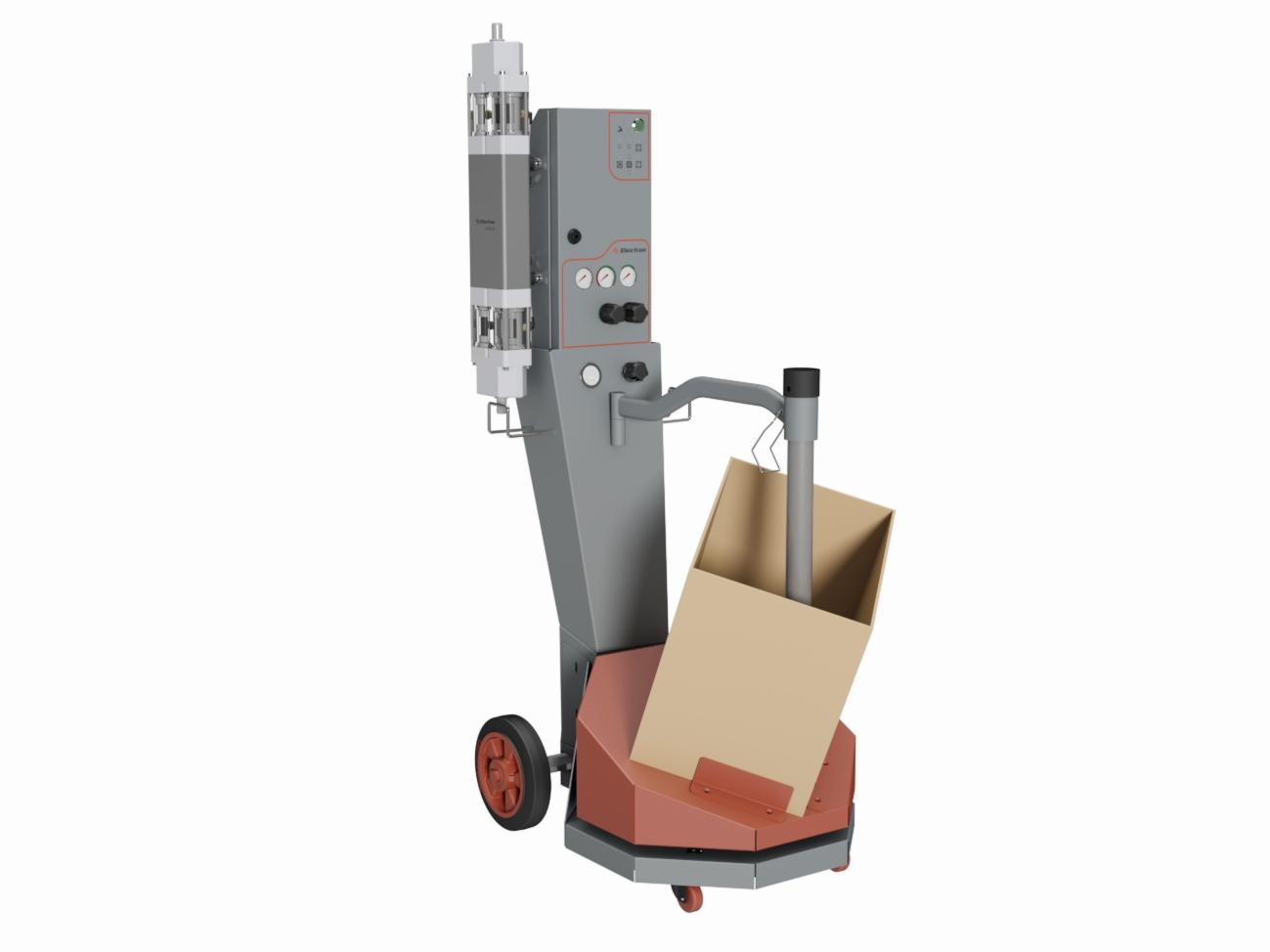
Corona и Tribo: как выбрать электростатический пистолет порошковой покраски
Две базовые технологии в пистолетах порошковой покраски: corona (ионизация высоким напряжением) и tribo (трибостатическая зарядка). Когда выигрывает каждая, где даёт сбой и как производственные цеха делают выбор.
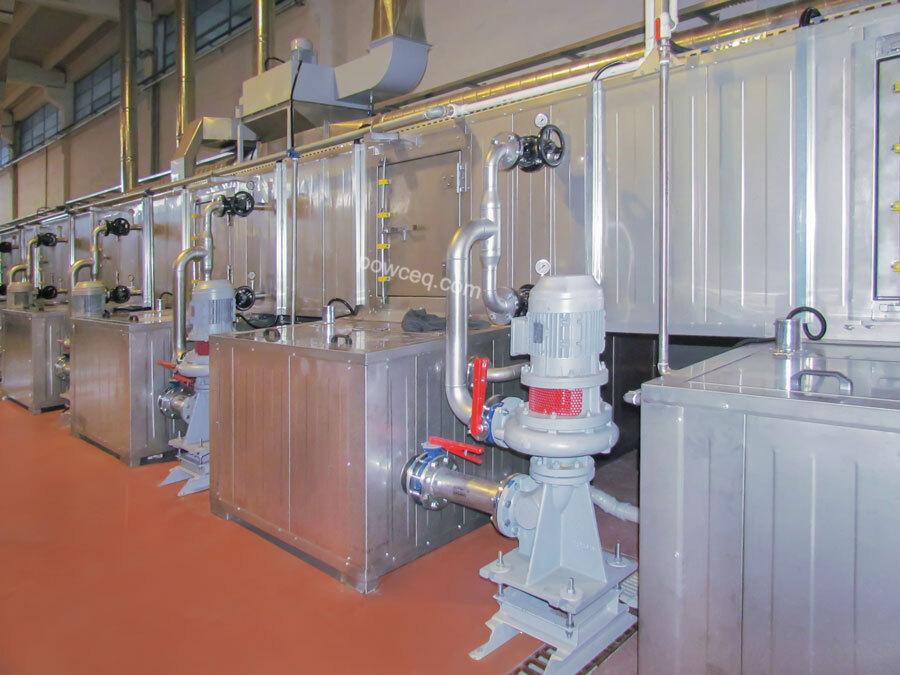
Подбор промышленной печи порошковой покраски: руководство производственного инженера
Как подобрать коммерческую или промышленную печь порошковой покраски под производственную загрузку: внутренний объём, тепловая масса, время полимеризации, мощность нагрева и воздушный поток. Рабочий справочник для заводских инженеров.
Газовые и электрические печи полимеризации: реальная стоимость работы на масштабе
Капитальные затраты, время восстановления, стоимость цикла и точки безубыточности для газовых и электрических печей порошковой покраски. Расчёты, стоящие за выбором источника тепла под ваш объём производства.
Нужна экспертная поддержка?
Наша инженерная команда поставила оборудование для порошковой покраски в более чем 40 стран. Расскажите о вашей задаче.