Conveyor Curing Oven
For automated lines: continuous product flow, no batch loading
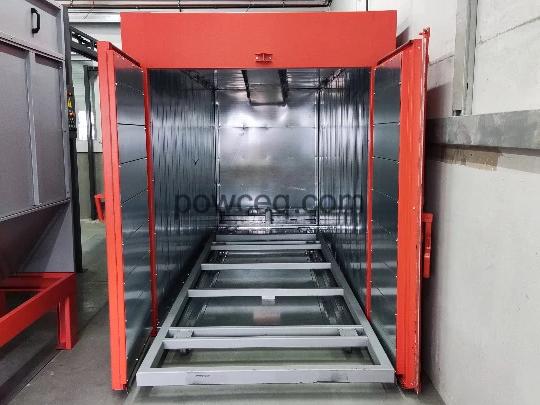
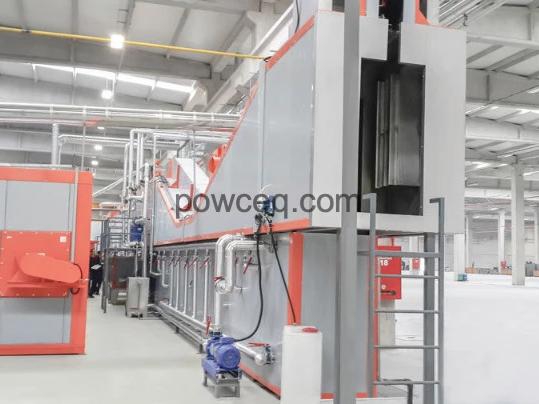
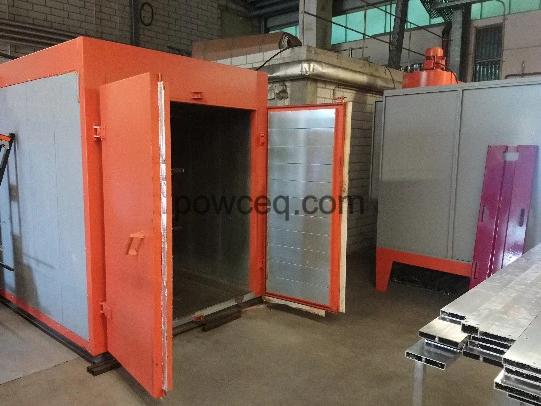
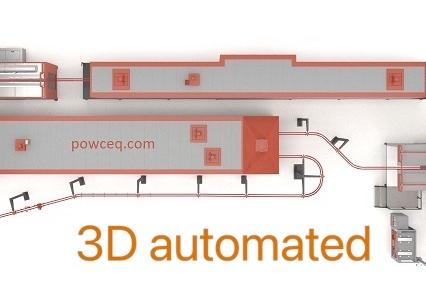
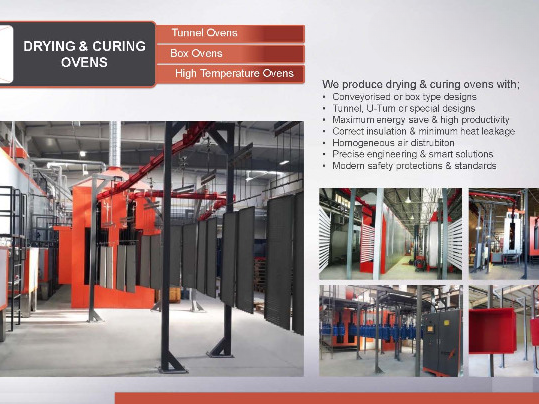
The Conveyor Curing Oven is built for continuous production, where parts move through the oven on a moving line instead of being loaded and unloaded in batches. Available in a straight tunnel or a U-turn layout, it cures a steady stream of parts as they travel through the heated chamber, removing the start-stop delays of batch work. It is the right oven for high-volume coaters, dedicated production lines, and operations where consistent output and a low cost per part matter more than the flexibility of one-off batches.
Chamber size and capacity
A conveyor oven is sized by the line it serves rather than by a fixed chamber volume. The tunnel layout runs parts straight through, which suits a long, simple production flow and longer parts. The U-turn layout folds the path back on itself so the load and unload points sit at the same end, which saves floor space and keeps operators in one work area. Capacity is set by line speed and the spacing of parts on the conveyor: faster movement and tighter hanging raise throughput, while heavier or denser parts call for slower travel so each one reaches full cure. The result is a chamber whose output scales with the line rather than with how much you can fit through a door.
Heating and running cost
The Conveyor Curing Oven is available in gas or electric heating. Electric is simpler to install and lower in up-front cost, with no flue or gas supply to arrange. Gas typically delivers a lower operating cost at the high, sustained volumes a conveyor line is built for, which is why many continuous lines choose it. The right answer depends on your run hours, energy prices, and available supply, and our guide on gas versus electric curing ovens works through that decision in detail. Whichever heating you choose, the biggest cost advantage of a conveyor oven is throughput: spreading the heat across a continuous flow of parts drives the cost per cured part below what batch curing can reach at volume.
Cure profile and temperature uniformity
Maximum temperature is 205 C (400 F), covering the standard powder cure window. On a conveyor line the cure is governed by line speed: each part spends a fixed time in the heated zone, and that dwell must be long enough for the metal to reach its target temperature, typically in the 180-200 C range, and hold it. Because every part follows the identical path at the identical speed, a conveyor oven delivers a consistent cure for every part, which is its core advantage over batch work where loading patterns vary. Matching line speed to the heaviest part in the mix keeps even thick items fully cured as they pass through.
Construction and controls
The oven is insulated to hold heat in the chamber while parts enter and exit continuously, and the entry and exit openings are designed to limit heat loss on a line that never stops. Control governs a stable chamber temperature so that, combined with a steady conveyor speed, each part receives the same cure as the one ahead of it. Because the variables are temperature and line speed rather than manual batch timing, a conveyor oven is straightforward to run consistently once the recipe is set, with less dependence on operator judgement from load to load.
Where it fits in your line
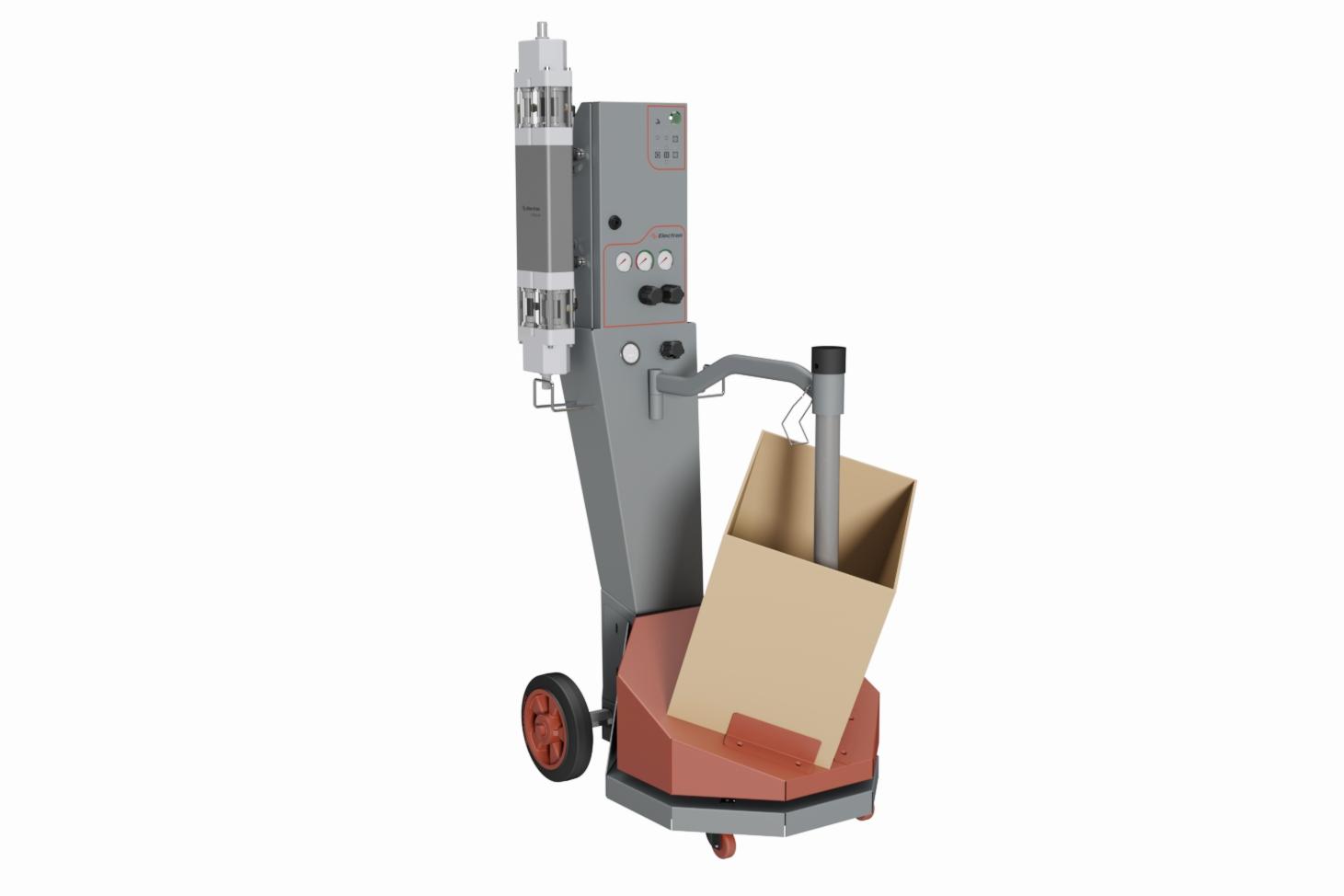
The Conveyor Curing Oven is one stage of an integrated, continuously moving finishing line. It connects directly to an overhead conveyor or a Power and Free conveyor that carries parts from pretreatment, through the coating booth, and into the oven without manual rehandling. Upstream, an automated pretreatment line cleans and prepares parts in the same continuous flow, and a coating booth applies powder as parts pass. A powder feed center keeps the booth supplied for non-stop spraying. The conveyor oven completes the loop, curing each part as it arrives so the whole line runs as one synchronised production system.
Price on request
Contact to place order
Specifications
- Layout
- Tunnel or U-turn
- Max Temperature
- 205°C
- Heating
- Gas or Electric
- Integration
- Overhead or power & free conveyor
Key Features
- Continuous product flow: no batch loading delays
- Tunnel or U-turn layout: fits different floor plans
- Integrates with overhead or Power & Free conveyor systems
- Consistent cure temperature: every part gets the same treatment
- Lower per-part cost at production volumes
Interested in the Conveyor Curing Oven?
Contact our engineering team with your requirements. We respond within 1 business day.