Corona vs. Tribo: Die richtige elektrostatische Pulverpistole wählen
Die zwei grundlegenden Technologien bei Pulverspritzpistolen: Corona (Hochspannungs-Ionisation) und Tribo (Reibungsaufladung). Wann welche überzeugt, wo welche an Grenzen stößt und wie sich Beschichtungsbetriebe entscheiden.
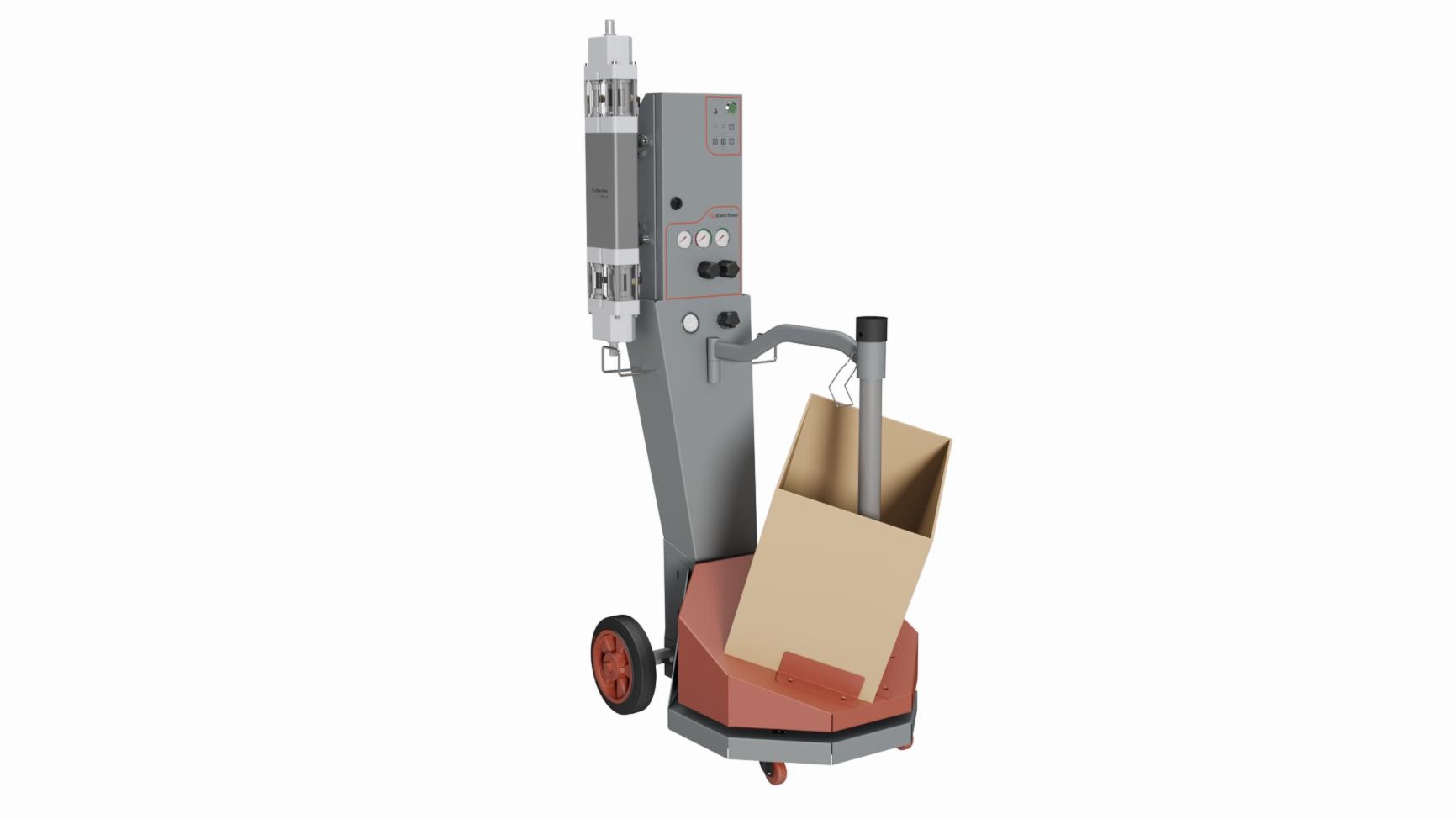
| Kriterium | Corona | Tribo |
|---|---|---|
| Aufladung | Hochspannungs-Ionisation (60-100 kV) | Reibungsaufladung, keine Hochspannung |
| Am besten für | Flache und einfache Teile, hohe Stückzahl | Komplexe Innengeometrien, Faraday-Käfig-Bereiche |
| Hohe Schichtdicken | Durch Rückionisation begrenzt | Bewältigt 150+ Mikron in einem Durchgang |
| Faraday-Käfig-Durchdringung | Begrenzt | Stark |
| Pulverkompatibilität | Breit | Benötigt tribo-aufladbares Pulver |
| Wo es passt | Etwa 80% der Produktionslinien | Nische: Innenräume, hohe Schichtdicken |
Jede elektrostatische Pulverpistole auf dem Markt nutzt eine von zwei grundlegenden Technologien, um Pulverpartikel elektrisch aufzuladen: Koronaaufladung oder Triboaufladung. Sie erzeugen optisch ähnliche Sprühbilder, verhalten sich auf komplexen Geometrien jedoch sehr unterschiedlich, mit erheblichen Folgen für den Auftragswirkungsgrad im ersten Durchgang, die Gleichmäßigkeit der Deckung und die Fähigkeit, Bereiche mit Faraday-Käfig-Effekt zu beschichten.
Dieser Leitfaden erklärt, wann sich welche Technologie durchsetzt, wo sie jeweils versagt, und welche Auswahlregel wir bei PowCEQ anwenden, wenn wir Applikationstechnik für Kundenanlagen spezifizieren.
So funktionieren Koronapistolen
Eine Koronapistole erzeugt ein elektrisches Hochspannungsfeld (typischerweise 60 bis 100 kV DC) zwischen einer Elektrode an der Pistolenspitze und dem geerdeten Teil. Pulverpartikel, die dieses Feld durchqueren, nehmen freie Elektronen aus der ionisierten Luft auf und werden elektrostatisch aufgeladen. Die geladenen Partikel folgen anschließend den Feldlinien zum geerdeten Teil und lagern sich dort ab.
Eigenschaften der Koronaaufladung:
- Hohe Ladungsdichte: Die Partikel tragen im Verhältnis zu ihrer Masse eine erhebliche Ladung und erzeugen so selbst aus mehreren Zentimetern Entfernung eine anziehende Abscheidung
- Funktioniert mit allen gängigen Pulverchemien: Epoxid, Polyester, Hybrid, TGIC, Polyurethan, ohne Änderungen an der Formulierung
- Hohe Liniengeschwindigkeit möglich: 5 bis 8 m/s Applikationsgeschwindigkeit bei Erhalt der Ladung
- Beschränkung durch den Faraday-Käfig: Das elektrische Feld meidet tiefe Vertiefungen, Ecken und Innenräume, weil es an der nächstgelegenen geerdeten Oberfläche endet. Das Pulver lagert sich auf Außenflächen ab, erreicht zurückgesetzte Bereiche aber nur schwer
- Rückionisation bei hohen Schichtdicken: Übermäßiger Ladungsaufbau auf bereits beschichteten Flächen kann das Feld lokal umkehren und Pulver abstoßen (sichtbar als Orangenhaut- oder Nadelstichfehler)
Korona ist die vorherrschende Technologie in der Pulverbeschichtungsproduktion. Nordson, Wagner, Gema und die meisten chinesischen Hersteller bauen überwiegend koronageladene Systeme.
So funktionieren Tribopistolen
Eine Tribopistole lädt das Pulver durch Reibung auf: Während die Partikel durch ein PTFE-Rohr (Teflon) gepresst werden, nehmen sie durch den Kontakt mit der Rohrwand Ladung auf. Keine Hochspannung, keine ionisierte Luft, kein elektrisches Feld an der Pistolenspitze.
Eigenschaften der Triboaufladung:
- Geringere Ladungsdichte: Die Partikel tragen weniger Ladung pro Masseeinheit, wodurch die Abscheidung langsamer und stärker geometrieabhängig wird
- Pulverspezifisch: Nur Pulver mit tribo-aufladbaren Harzen funktionieren gut; die meisten Allzweckpulver zeigen ein mäßiges Tribo-Verhalten
- Dringt in Faraday-Käfige ein: Ohne ein elektrisches Feld, das das Pulver zur nächstgelegenen geerdeten Oberfläche treibt, können geladene Partikel über Luftströmungen in Vertiefungen und innere Bereiche gelangen
- Keine Rückionisation: Hohe Schichtdicken stoßen kein Pulver ab und ermöglichen dickere Einfachbeschichtungen auf komplexen Geometrien
- Geringerer Auftragswirkungsgrad im ersten Durchgang bei einfachen Teilen: 60 bis 75 % gegenüber 70 bis 85 % bei einer gut eingestellten Koronapistole auf ebenem Material
Wo sich welche durchsetzt
Korona gewinnt bei
- Ebenen und einfach geformten Teilen: Automobilfelgen, Agrarpaneele, Metallmöbel, Flachblech
- Produktion mit hohem Volumen: gleichmäßiger Durchsatz, breite Pulverkompatibilität, gut verstandene Prozesskontrollen
- Standard-Pulverchemien: jedes Allzweck-Polyester oder -Epoxid von jedem großen Pulverhersteller funktioniert ohne Neuformulierung
- Kostensensible Projekte: Koronapistolen kosten weniger, haben einfachere Steuerungen und lassen sich leichter warten
Tribo gewinnt bei
- Komplexen Innengeometrien: Gehäuse mit inneren Hohlräumen, elektrische Abzweigdosen, Gitterstrukturen, Wärmetauscher
- Hohen Schichtdicken: Einfachbeschichtungen ab 150 Mikrometer, bei denen die Korona-Rückionisation zum Qualitätsproblem wird
- Metallic- und Strukturpulvern: Manche Speziallackierungen lassen sich mit Triboaufladung besser verarbeiten, weil die mechanische Durchmischung im PTFE-Rohr die Pigmentausrichtung gleichmäßig hält
- Umgebungen, in denen Hochspannung untersagt ist: Installationen in explosionsgefährdeten Bereichen, in denen 90-kV-Koronatechnik eine teure Zertifizierung erfordert
Die Auswahlregel, die wir anwenden
Für 80 % der Produktionsbeschichtungsanlagen ist Korona die richtige Antwort. Tribo lohnt sich nur dann zu spezifizieren, wenn eine von drei Bedingungen erfüllt ist:
- Die Teilegeometrie weist erhebliche Bereiche mit Faraday-Käfig-Effekt auf (innere Hohlräume, tiefe Kanäle, Gitterstrukturen) und die Beschichtungsspezifikation verlangt eine Deckung in diesen Bereichen.
- Die Schichtdickenspezifikation liegt über 120 Mikrometer Trockenschichtdicke, wo die Korona-Rückionisation selbst bei gut eingestellter Technik messbare Fehlerquoten verursacht.
- Die Installation befindet sich in einem explosionsgefährdeten Bereich (ATEX Zone 2 oder vergleichbar), in dem Korona-Hochspannungstechnik eine Zertifizierung erfordert, die Tribo nicht braucht.
Für alles Übrige zahlen sich die Mehrkosten für Tribotechnik und tribokompatibles Pulver nicht aus. Die reale Beschichtungsspezifikation wird von Koronapistolen mit höherem Durchsatz, geringeren Kosten pro Teil und breiterer Pulververfügbarkeit erfüllt.
Hybrider Einsatz: der Kompromiss für die Produktion
Ein zunehmend verbreitetes Muster in Anlagen mit mittlerem bis hohem Volumen ist Korona für Außenflächen, Tribo für innere Merkmale. Die Pulverkabine betreibt 6 bis 8 Koronapistolen auf automatischen Hubgeräten für die Hauptdeckung sowie 2 Tribopistolen auf manuellen oder robotergeführten Positionen für das Nachbeschichten innerer Hohlräume. Die Koronapistolen arbeiten mit etwa 80 % Auftragswirkungsgrad auf offenen Flächen; die Tribopistolen vollenden die Faraday-Käfig-Bereiche, die Korona nicht erreichen kann.
Diese Konfiguration erhöht die CapEx für die Applikationstechnik um 15 bis 25 % gegenüber einer reinen Koronakabine, kann aber Nacharbeit und Ausschussteile bei komplexen Geometrien um 40 bis 60 % senken. Für Kunden, die Gehäuse, Wärmetauscher oder Architekturteile mit erheblichem Innendetail beschichten, ist sie meist die richtige Spezifikation.
Pistolentechnik spezifizieren: die vier Kennzahlen, nach denen Sie fragen sollten
Wenn ein Lieferant Ihnen Pistolen anbietet, trennen diese vier Kennzahlen produktionstaugliche Technik von Hobbygeräten:
- Auftragswirkungsgrad im ersten Durchgang bei Ihrer Teilegeometrie: keine allgemeine Angabe, sondern gemessen an einem für Ihre Produktion repräsentativen Teil. Gute Koronapistolen liefern 70 bis 85 % auf ebenem Material; Tribo liefert 60 bis 75 %.
- Pulverausstoßbereich (g/min): zu niedrig und Sie bremsen die Linie aus; zu hoch und Sie tragen zu viel auf. Typische Produktionspistolen laufen mit 100 bis 300 g/min pro Pistole.
- Farbwechselzeit: Ein modernes Pistolensystem sollte an automatischen Kabinen in unter 5 Minuten den Farbwechsel schaffen. Jedes System, das mehr als 15 Minuten braucht, kostet Sie in jeder Schicht Durchsatz.
- Wartungsintervall: PTFE-Rohrwechsel bei Tribo, Elektrodenverschleiß bei Korona, Düsenverstopfungen bei beiden. Die wöchentlichen Verbrauchsmaterialkosten für eine Produktionslinie mit 4 Pistolen sollten unter 50 € liegen.
Nächste Schritte
Wenn Sie Pulverapplikationstechnik für eine neue Linie spezifizieren oder eine bestehende Kabine modernisieren, ist die richtige Reihenfolge: Ermitteln Sie Ihre ungünstigste Teilegeometrie, messen Sie die erreichbare Schichtdicke an einem Prüfblech mit beiden Technologien und wählen Sie dann die Konfiguration (nur Korona, nur Tribo oder hybrid), die Ihre Qualitätsspezifikation zu den niedrigsten Lebenszykluskosten erfüllt.
PowCEQ spezifiziert und liefert Pulverapplikationstechnik als Teil kompletter automatisierter Pulverbeschichtungslinien. Wenn Sie Hilfe bei der Wahl zwischen Korona und Tribo für eine bestimmte Teilegeometrie wünschen, senden Sie uns eine Zeichnung und eine Beschichtungsspezifikation: Wir melden uns mit einer Konfigurationsempfehlung, einer Schätzung des Auftragswirkungsgrads und einer Auswahlliste kompatibler Pulver zurück.
Ähnliche Artikel
Einbrennofen richtig dimensionieren: Leitfaden für Produktionsingenieure
Wie man einen gewerblichen oder industriellen Einbrennofen für den Produktionsdurchsatz dimensioniert: Innenvolumen, thermische Masse, Aushärtezeit, Heizleistung und Luftführung. Eine Arbeitsreferenz für Werksingenieure.
Niedertemperatur-Pulverbeschichtung von MDF: Prozess-Spezifikation für Möbelhersteller
Niedertemperatur-Pulverchemie, Vorwärmstrategie, Handhabung dielektrischer Substrate und Linienkonfiguration für die Pulverbeschichtung von MDF und Holzwerkstoffen. Die komplette Prozess-Spezifikation für Möbel- und Schrankhersteller.
Gas- vs. Elektro-Einbrennöfen: Echte Betriebskosten im Maßstab
Investitionskosten, Aufheizzeit, Zykluskosten und Break-even-Schwellen für gasbeheizte und elektrische Einbrennöfen. Die Rechnung hinter der richtigen Wärmequelle für Ihre Produktionsmenge.
Benötigen Sie fachliche Unterstützung für Ihr Projekt?
Unser Engineering-Team hat Pulverbeschichtungsanlagen in über 40 Ländern geliefert. Erzählen Sie uns von Ihrer Anwendung.