コロナ式とトリボ式:静電粉体塗装ガンの選び方
粉体塗装ガンの基本となる二つの技術、コロナ式(高電圧イオン化)とトリボ式(摩擦帯電)。それぞれが得意とする場面、苦手とする場面、そして量産現場での選び方を解説します。
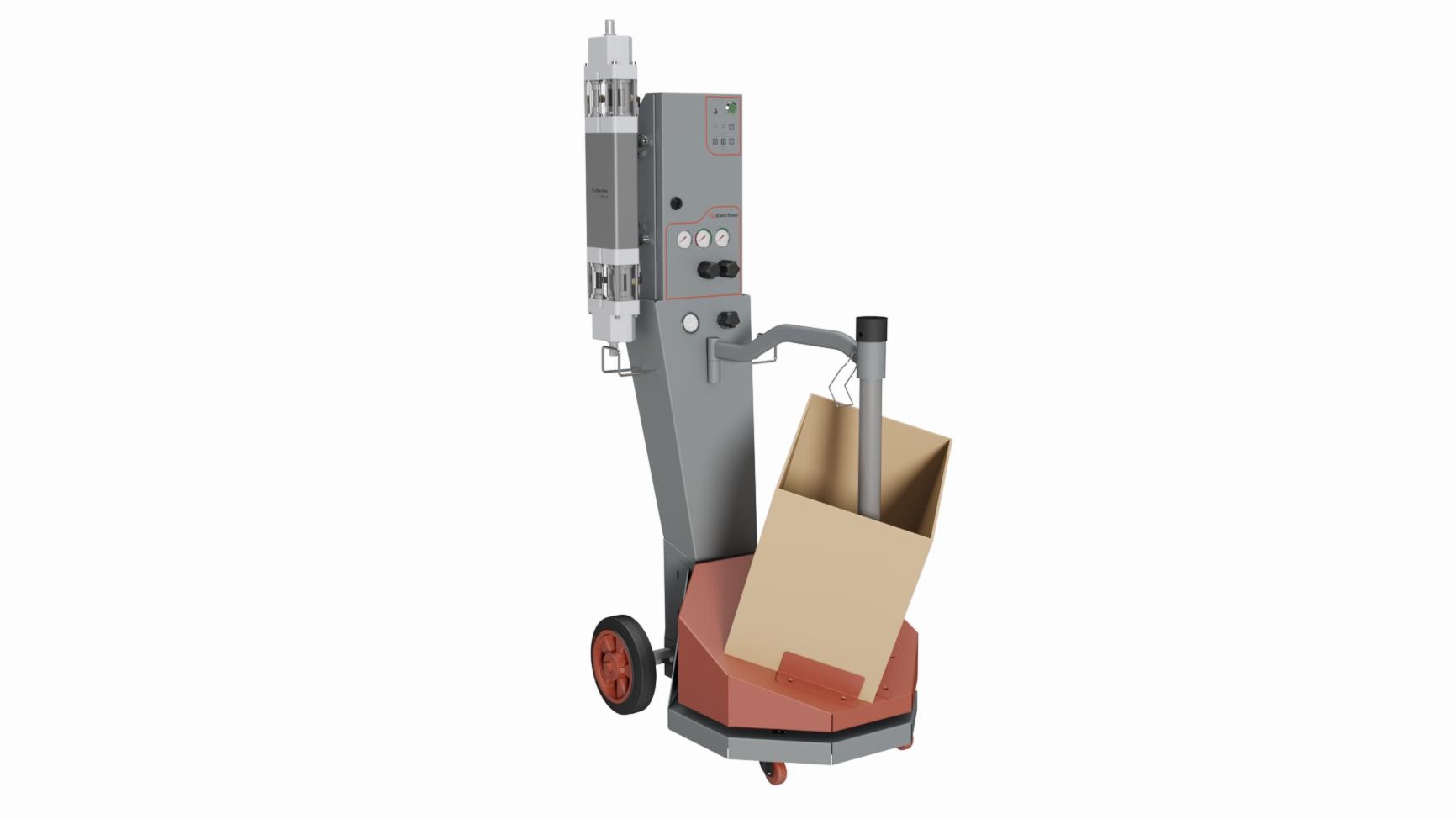
| 評価項目 | コロナ | トリボ |
|---|---|---|
| 帯電方式 | 高電圧イオン化(60-100 kV) | 摩擦帯電、高電圧なし |
| 適した用途 | 平面で単純な部品、大量生産 | 複雑な内部形状、Faraday ケージ部 |
| 厚膜の形成 | 逆電離により制限あり | 1パスで 150+ micron に対応 |
| Faraday ケージへの付着性 | 限定的 | 良好 |
| 粉体の適合性 | 幅広い | トリボ帯電対応の粉体が必要 |
| 適した位置づけ | 生産ラインの約80% | ニッチ用途:内部空洞、厚膜 |
市場に出回っているあらゆる静電粉体塗装ガンは、粉体粒子に電荷を与えるために2つの基本技術のいずれかを用います。すなわちコロナ帯電かトリボ帯電です。両者のスプレーは見た目には似ていますが、複雑な形状に対する挙動は大きく異なり、初回パスの付着効率、被膜の均一性、ファラデーケージ領域を塗装できるかどうかに劇的な差をもたらします。
本ガイドでは、それぞれの技術がどんな場面で勝り、どこで力不足になるのか、そしてPowCEQがお客様のライン向けに塗装機器を仕様決めする際に適用している選定ルールを解説します。
コロナガンの仕組み
コロナガンは、ガン先端の電極と接地された部品との間に高電圧の電界(一般的に60〜100 kV DC)を生み出します。この電界を通過する粉体粒子はイオン化した空気から自由電子を拾い、静電気を帯びます。帯電した粒子は電気力線に沿って接地された部品へ向かい、付着します。
コロナ帯電の特徴:
- 高い電荷密度:粒子は質量に対して大きな電荷を帯びるため、数センチメートル離れた位置からでも引き寄せられるような付着が得られる
- 標準的な粉体薬剤すべてに対応:エポキシ、ポリエステル、ハイブリッド、TGIC、ポリウレタンを、配合を変えずに扱える
- 高いライン速度に対応:5〜8 m/sの塗装速度でも電荷を維持できる
- ファラデーケージの制約:電界は最も近い接地面で終端するため、深い窪み、角部、内部の空洞を避けてしまう。粉体は外面には付着するが、奥まった部位には届きにくい
- 高い膜厚での逆電離:すでに塗装された面に電荷が過剰にたまると、その箇所で局所的に電界が反転し、粉体を弾き出す(オレンジピールやピンホールの欠陥として現れる)
コロナは量産の粉体塗装で主流の技術です。Nordson、Wagner、Gema、そして大半の中国メーカーは主にコロナ帯電方式のシステムを製造しています。
トリボガンの仕組み
トリボガンは摩擦によって粉体を帯電させます。粒子がPTFE(テフロン)チューブを通る際に、チューブの壁との接触で電荷を拾います。高電圧も、イオン化した空気も、ガン先端の電界もありません。
トリボ帯電の特徴:
- 低い電荷密度:粒子は単位質量あたりの電荷が小さく、付着が遅く、形状に左右されやすい
- 粉体を選ぶ:トリボ帯電可能な樹脂で配合された粉体だけがうまく機能する。大半の汎用粉体はトリボ性能が平凡である
- ファラデーケージに入り込む:粉体を最も近い接地面へ駆り立てる電界がないため、帯電した粒子は気流に乗って窪みや内部の部位へ漂い込める
- 逆電離なし:高い膜厚でも粉体を弾かないため、複雑な形状でもより厚い単一パス塗装が可能になる
- 単純な部品では初回パスの付着効率が低い:平面のワークでは、よく調整されたコロナガンの70〜85%に対し60〜75%
それぞれが勝る場面
コロナが勝るのは
- 平面や単純な形状の部品:自動車用ホイール、農業機械のパネル、金属家具、平板
- 大量生産:安定した生産量、幅広い粉体適合性、よく理解された工程管理
- 標準的な粉体薬剤:どの主要粉体メーカーの汎用ポリエステルやエポキシでも再配合なしで機能する
- コストに敏感なプロジェクト:コロナガンは価格が安く、制御が単純で、保守も容易
トリボが勝るのは
- 複雑な内部形状:内部に空洞のある筐体、電気接続箱、格子構造、熱交換器
- 厚い膜厚:コロナの逆電離が品質問題になる150 µm以上の単一パス塗装
- メタリックやテクスチャ粉体:一部の特殊仕上げはトリボ帯電のほうが良好に仕上がる。PTFEチューブ内での機械的な混合が顔料の配向を一定に保つため
- 高電圧が禁止される環境:90 kVのコロナ機器に高額な認証が必要となる危険区域への設置
私たちが適用する選定ルール
量産塗装ラインの80%では、コロナが正解です。トリボを仕様に採用する価値があるのは、次の3つの条件のいずれかを満たす場合だけです。
- 部品の形状に大きなファラデーケージ領域(内部の空洞、深い溝、格子構造)があり、塗装仕様がそれらの領域への被覆を要求している。
- 膜厚仕様が乾燥膜厚120 µmを超え、よく調整された機器でもコロナの逆電離が測定可能なほどの欠陥率を引き起こす。
- 設置場所が危険区域(ATEXゾーン2など)にあり、コロナの高電圧機器にはトリボには不要な認証が必要となる。
それ以外のすべての場合では、トリボ機器とトリボ対応粉体の追加コストは回収できません。実際の塗装仕様は、より高いスループット、部品あたりの低コスト、より幅広い粉体の入手性で、コロナガンが満たします。
ハイブリッド導入:量産での折衷案
中量から大量のラインで増えつつあるのが、外面にはコロナ、内部の部位にはトリボという構成です。粉体塗装ブースでは、主要な被覆のために自動往復機に取り付けたコロナガンを6〜8本動かし、それに加えて内部空洞のタッチアップ用に手動またはロボット位置のトリボガンを2本配置します。コロナガンは開放面で付着効率約80%で稼働し、トリボガンはコロナが届かないファラデーケージ領域を仕上げます。
この構成は、全コロナのブースに比べて塗装機器のCapExを15〜25%押し上げますが、複雑な形状では手直しと不良品を40〜60%削減できます。筐体、熱交換器、内部に複雑なディテールを持つ建築部品を塗装するお客様にとっては、たいていこれが正しい仕様です。
ガン機器の仕様決め:尋ねるべき4つの数値
サプライヤーがガンの見積りを出すとき、量産グレードの機器とホビー向けの機器を分けるのは次の4つの数値です。
- 実際の部品形状での初回パス付着効率:一般的な数値ではなく、自社の生産を代表する部品で測定したもの。優れたコロナガンは平面のワークで70〜85%、トリボは60〜75%を実現します。
- 粉体吐出量の範囲(g/min):低すぎるとラインのボトルネックになり、高すぎると過剰噴霧になります。一般的な量産ガンは1本あたり100〜300 g/minで稼働します。
- 色替え時間:最新のガンシステムは自動ブースで5分未満で色替えできるはずです。15分以上かかるシステムは、シフトごとにスループットを奪っています。
- 保守間隔:トリボはPTFEチューブの交換、コロナは電極の摩耗、どちらもノズルの詰まりがあります。4本ガンの量産ラインの週間消耗品コストは50ユーロ未満であるべきです。
次のステップ
新しいライン向けに粉体塗装機器を仕様決めする場合や、既存のブースをアップグレードする場合、正しい手順はこうです。最も厳しい部品形状を特定し、両方の技術で試験パネルに達成可能な膜厚を測定し、そのうえで品質仕様を最も低い生涯コストで満たす構成(コロナのみ、トリボのみ、またはハイブリッド)を選びます。
PowCEQは、完全な自動粉体塗装ラインの一部として粉体塗装機器の仕様決めと供給を行っています。特定の部品形状についてコロナとトリボのどちらを選ぶべきか相談したい場合は、図面と塗装仕様をお送りください。構成の推奨、付着効率の見積り、適合する粉体の候補リストをお返しします。
関連記事
工業用粉体塗装焼付炉のサイジング:生産技術者のための手引き
生産能力に合わせて商業用・工業用の粉体塗装焼付炉をサイジングする方法。内容積、熱容量、焼付時間、加熱能力、気流を取り上げます。プラント技術者のための実用リファレンスです。
低温硬化MDF粉体塗装:家具メーカー向けプロセス仕様
MDF・木材の粉体塗装に向けた、低温硬化粉体の特性、予熱戦略、絶縁性素材の取り扱い、ライン構成。家具・キャビネットメーカーのための完全なプロセス仕様です。
ガス式と電気式の焼付炉:量産規模での実際の運用コスト
ガス式と電気式の粉体塗装用焼付炉について、初期投資、昇温時間、サイクルコスト、損益分岐点を比較。生産量に見合った熱源を選ぶための計算根拠を示します。