Powder Coating System: Digital with Vibrating Fluidization Table
Turnkey manual powder coating system with digital control and integrated vibrating feed
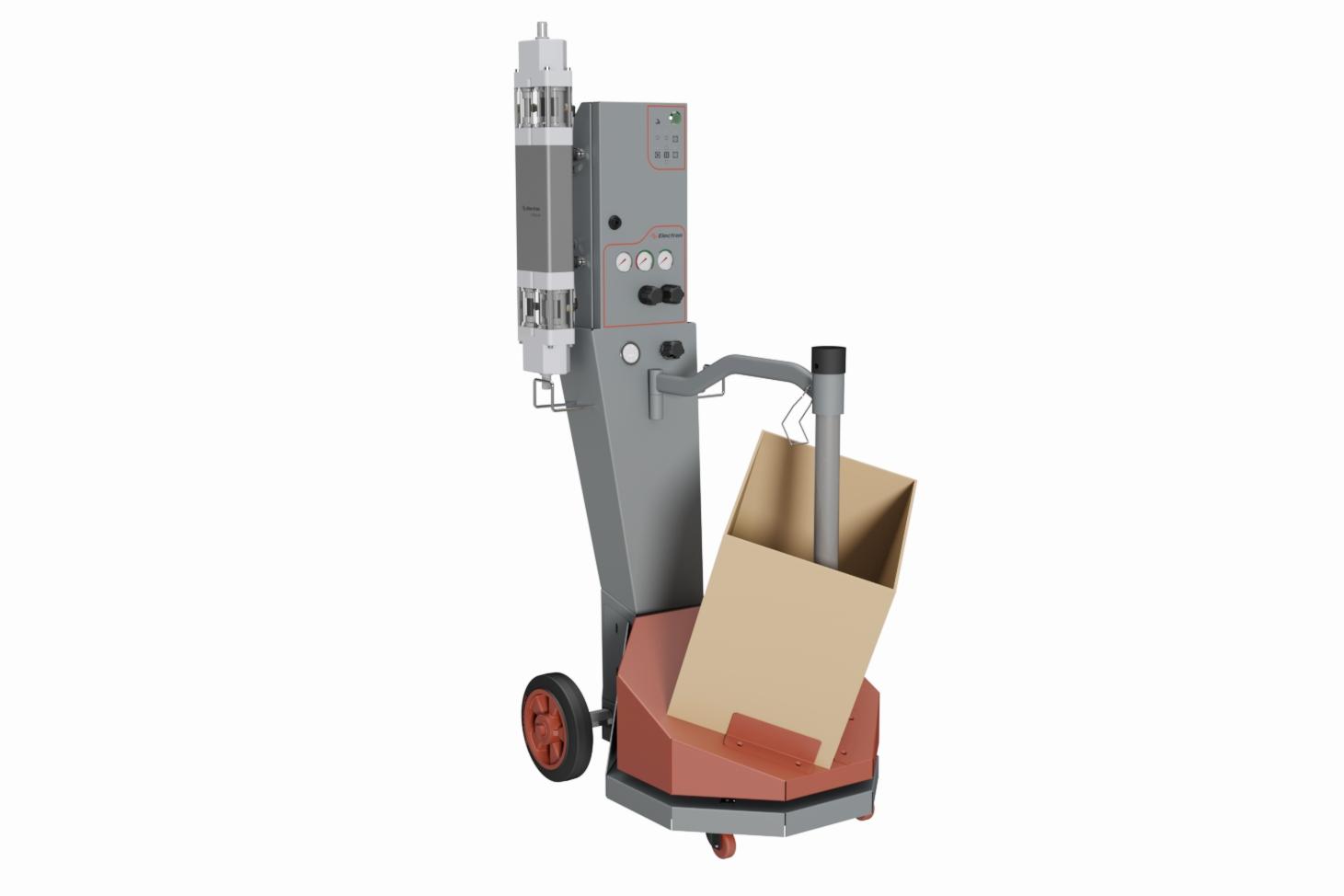
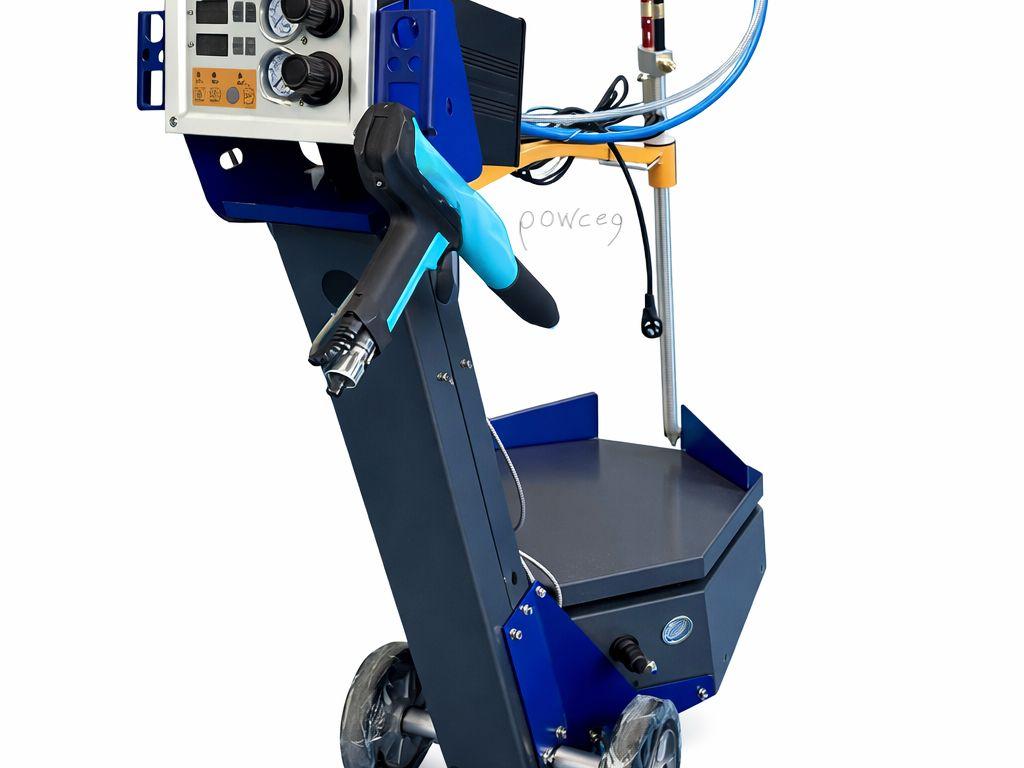
This complete powder coating system gives a small shop or a single production cell everything needed to spray and lay down even finishes from the moment it arrives. It is built for fabricators, job shops, and OEM finishing departments that want one supplier, one control unit, and one footprint instead of sourcing a gun, a controller, a powder feed, and a stand separately. The package combines a digital control unit, a corona spray gun, an integrated vibrating fluidization table, and a mobile trolley, so the operator powers on, primes the table, and starts coating. It suits manual lines running mixed batches, frequent color changes, and complex part geometries where consistent powder delivery and repeatable settings matter more than raw throughput.
What the package includes
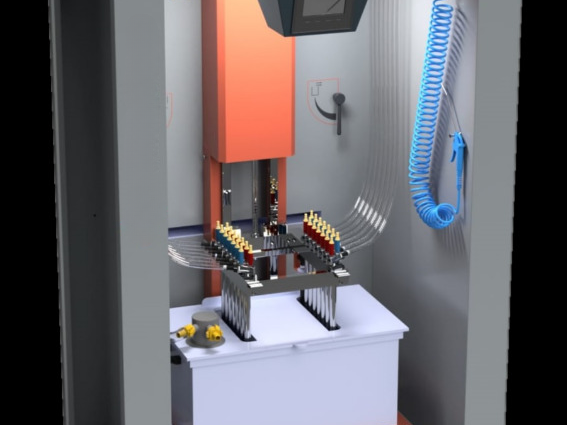
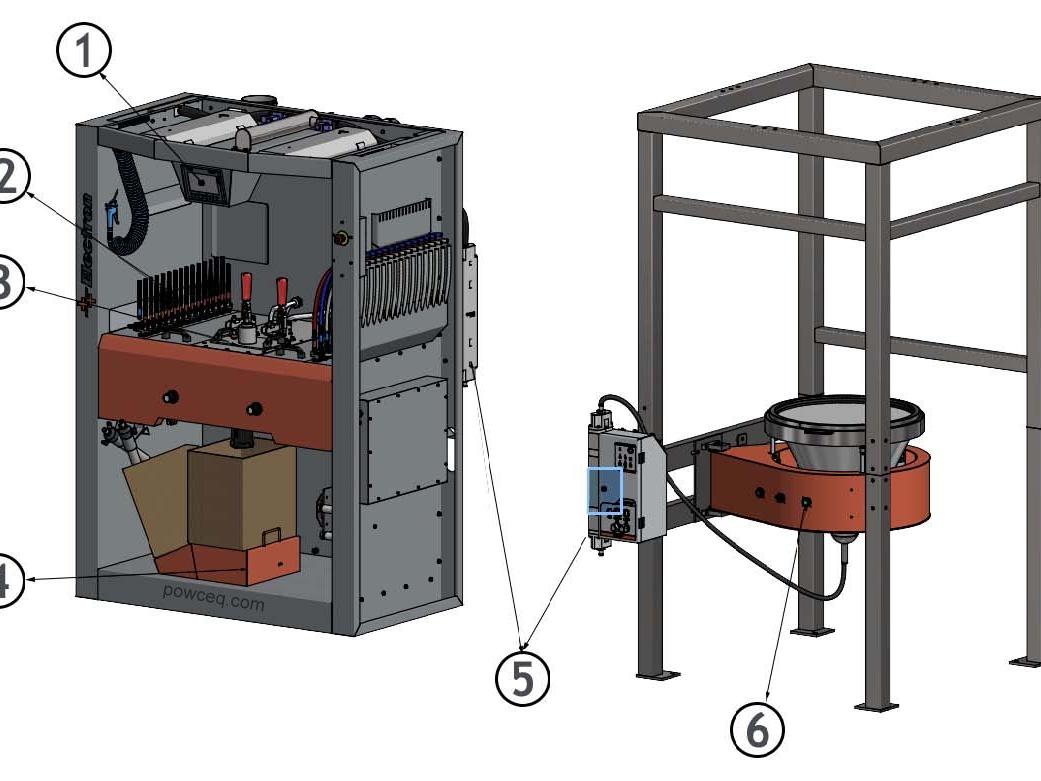
Every core component ships together as one turnkey unit. You get the corona spray gun and its cabling, the digital control unit that drives it, the powder feed circuit, the vibrating fluidization table that conditions the powder before pickup, and a trolley that carries the whole assembly around the shop. Because the bundle is matched at the factory, the gun, pump, and control are tuned to work as a set, which removes the guesswork of pairing mismatched parts from different brands. For a buyer comparing the cost of assembling a line piece by piece, our guide on Powder Coating Line Cost: What $50K, $500K, and $2M Systems Actually Include explains where an integrated entry station like this fits against larger automated builds, and why bundling the spray side trims both capital and commissioning time.
Vibrating fluidization for even feed
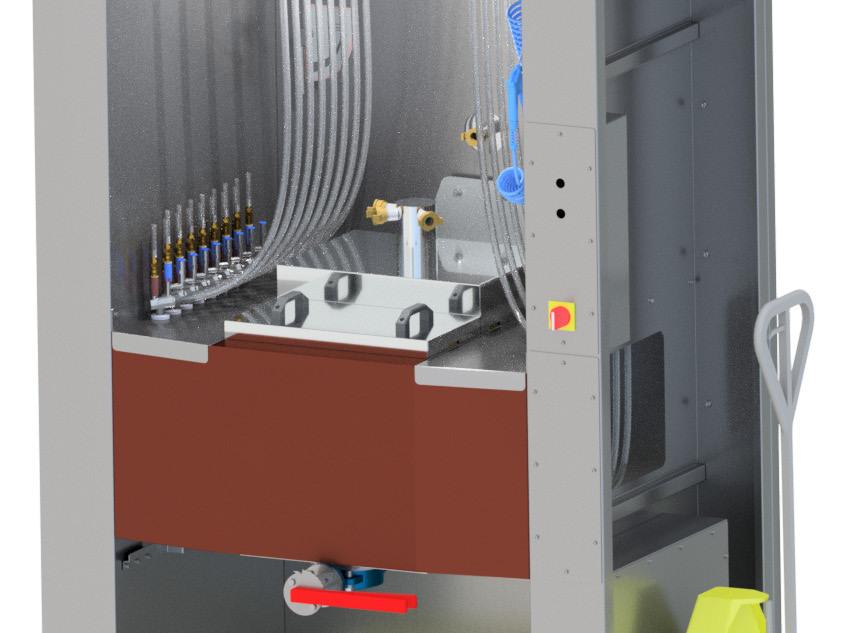
The defining feature is the integrated vibrating fluidization table. Mechanical vibration keeps the powder bed loose and aerated so the pump draws a steady, consistent charge rather than pulling from a packed or bridged hopper. That steadiness is what produces even coverage on edges, recesses, and complex shapes where an unstable feed leaves thin spots or spits. Vibration also helps reclaimed or finer powders flow without clumping, which extends the range of materials you can run reliably. For shops that change colors often, the open table format is fast to empty, wipe down, and refill, so a color swap takes minutes rather than a full teardown of a pressurized hopper.
Digital control and repeatability
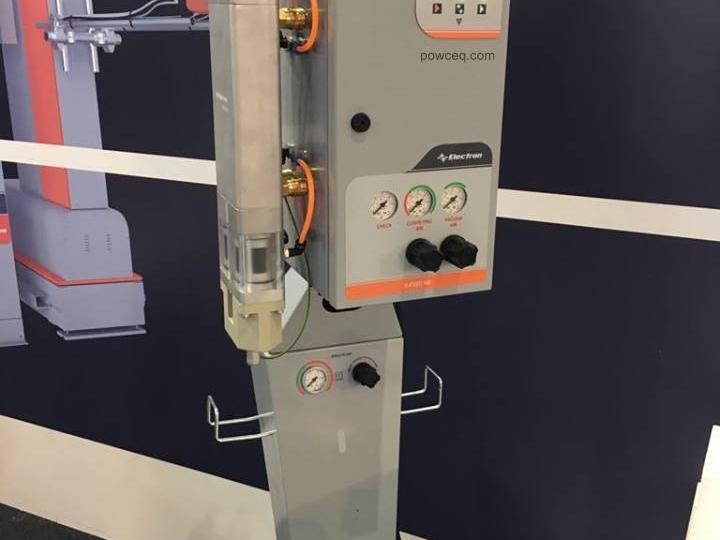
The digital control unit is the operator's main interface for tuning the spray. It includes PCC voltage regulation, which manages the corona charge to hold an even, repeatable deposit across the part instead of overcharging flat faces and starving recessed areas. Working in digital settings means a finisher can dial in kV and powder output values for a given part, save the approach, and return to the same numbers on the next batch. That repeatability matters most on complex geometries and on jobs where two operators need to produce matching results. The interface stays simple enough for a single trained operator to run the station without a dedicated controls technician on hand.
Built for manual operation
This is a manual station, designed around one operator working at a coating booth with hand-held control of the gun. The trolley makes the unit mobile, so it can be wheeled to a fixed spray booth, repositioned between bays, or rolled out of the way when the cell is used for other work. Setup is deliberately light: connect power and air, fill the table, and begin. The compact single-unit format suits prototype runs, low-to-medium volume production, repair and refinishing work, and any operation that needs professional finish quality without committing to a fixed automated line. Maintenance stays straightforward because the wear parts are standard manual-system components.
Integration and compatibility
The station is the spray heart of a coating cell, and it pairs with the rest of a finishing line cleanly. It is sized to work alongside a manual or batch coating booth that captures overspray, and the powder it lays down is cured downstream in a batch or conveyorized curing oven. Because it runs standard powder chemistries and corona application, it stays compatible with the same powders and color library used elsewhere in the shop. Compressed air and single-point power are the only services it needs, so it slots into most existing facilities without special infrastructure. As volume grows, the same operator skills and powder inventory carry over to larger equipment.
Where it fits in your line
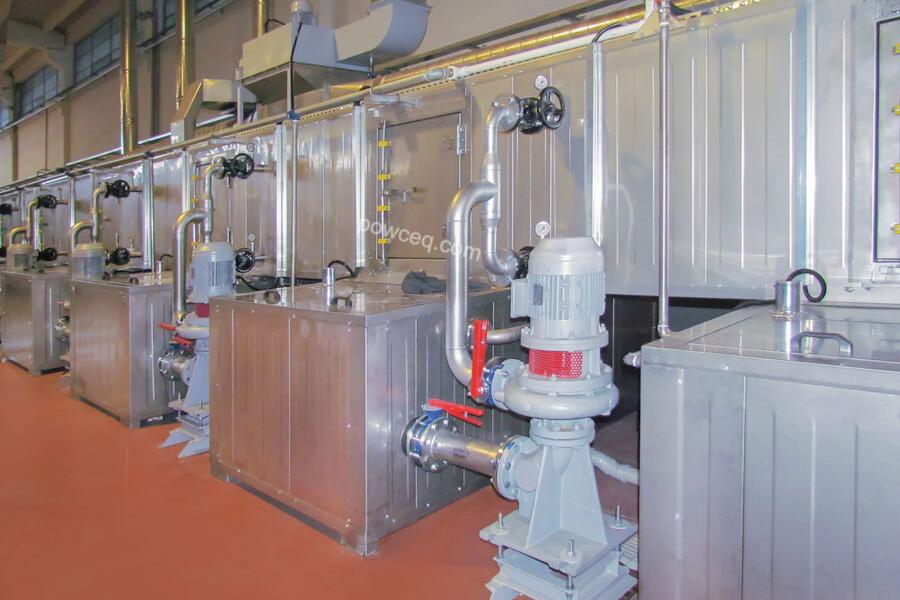
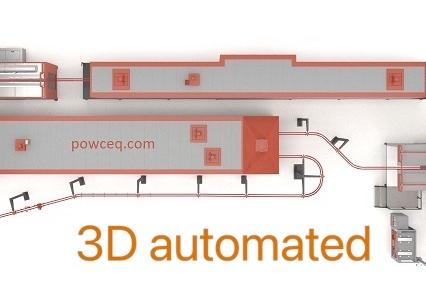
In a full coating line this unit sits at the application stage, downstream of cleaning and pretreatment and upstream of cure. Parts arrive degreased and prepared, often through a PowCEQ pretreatment system, then move to a coating booth where this station applies the powder. Once coated, parts pass to a curing oven to crosslink the finish. For shops scaling up, PowCEQ overhead conveyors can link the booth and oven into a continuous flow, and a larger powder feed center can supply higher-volume spray guns when manual output is no longer enough. As an entry or supplementary spray point, this system lets a shop start manual and add booth, oven, conveyor, and feed-center capacity over time without replacing the gun and control skills already in place.
Key Features
- Digital control with PCC voltage regulation
- Integrated vibrating fluidization table
- Pneumatic mobile trolley
- Injector pump up to 300 g/min
- Manual gun with flat-jet nozzle included
- Six-month wear-parts package
- ATEX-2022 certified
Applications
Ready to discuss your project?
Contact our engineering team with your requirements. We respond within 1 business day.